Grow
Practical growing tips for lush, fragrant mint in pots, beds, balconies, and kitchen gardens.
Learn more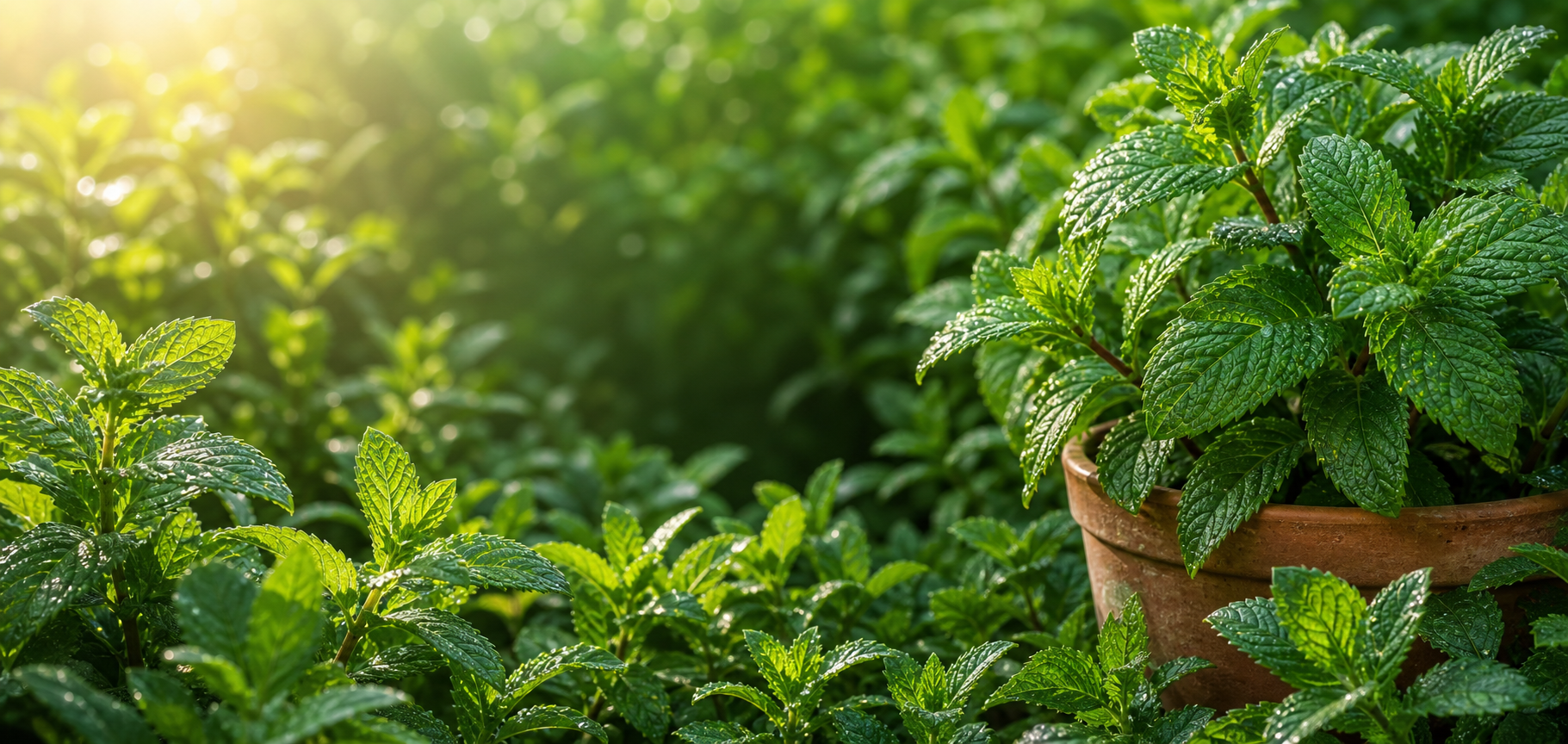
Practical growing tips for lush, fragrant mint in pots, beds, balconies, and kitchen gardens.
Learn moreFollow mint through ancient gardens, hospitality rituals, tea culture, sweets, sauces, and modern kitchens.
Learn more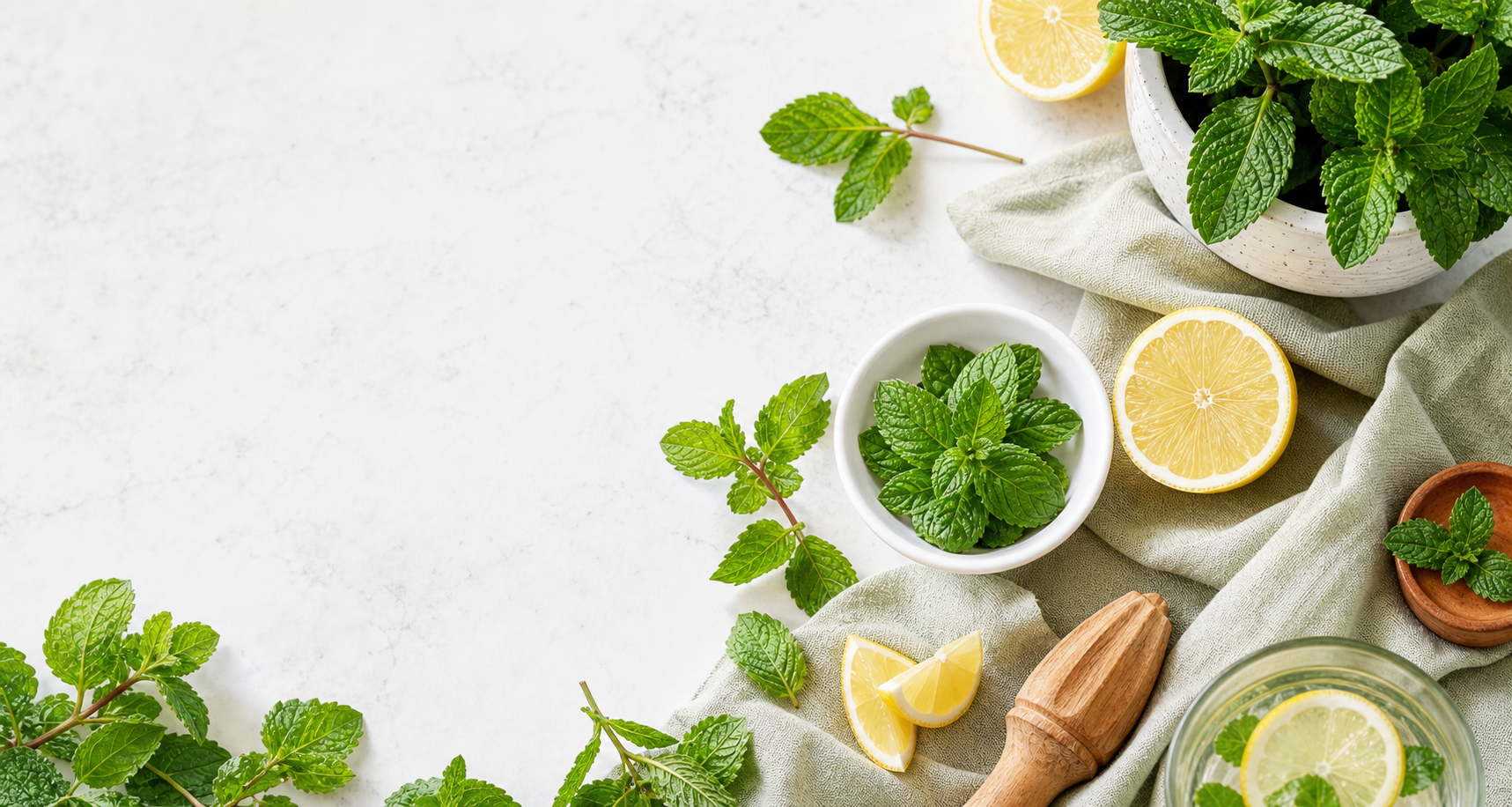
Fresh mint recipes for savory dinners, crisp appetizers, chilled drinks, and desserts that taste clean and alive.
Explore recipes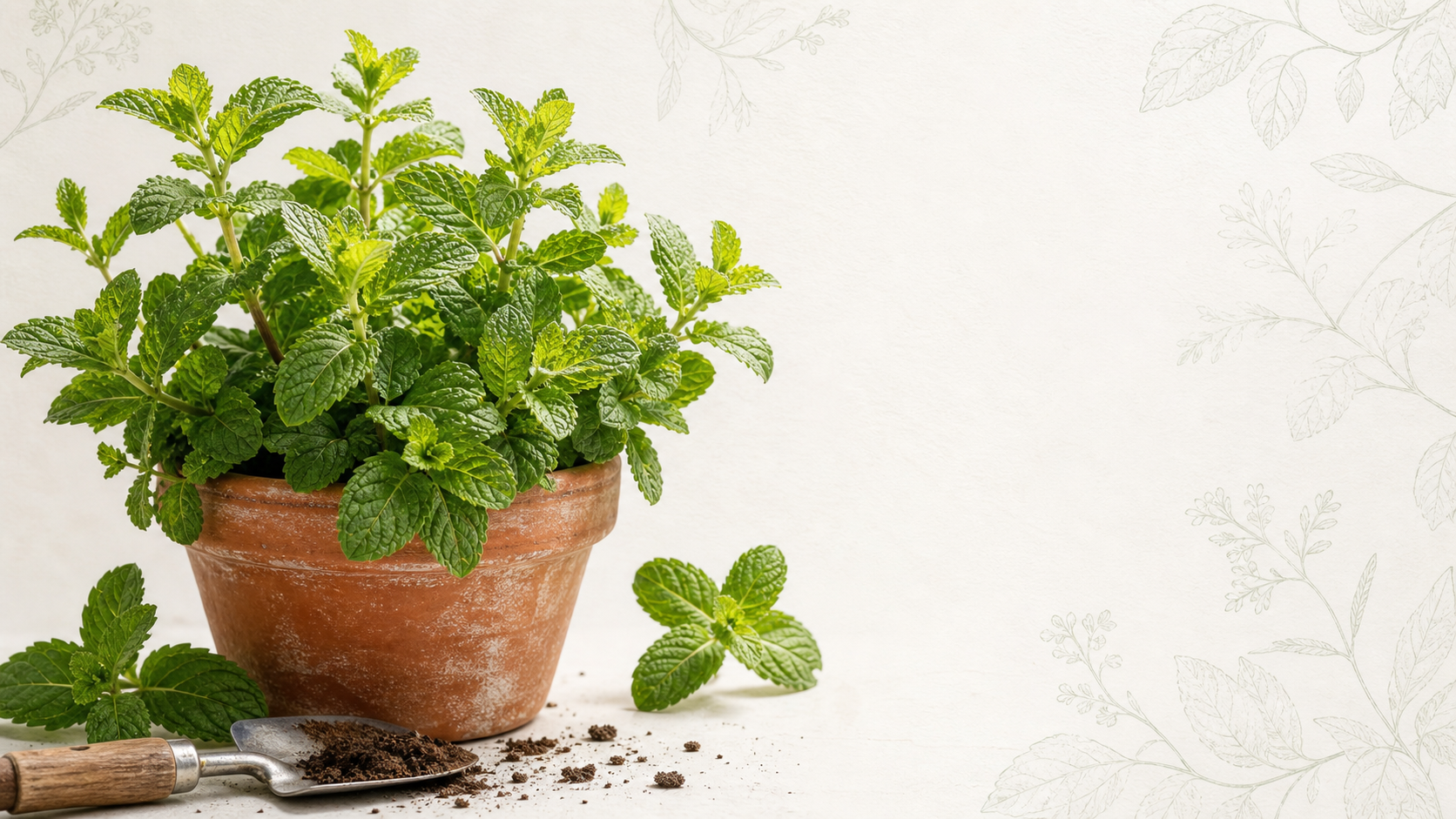
Gardening Tips
Mint is generous by nature. Give it steady moisture, bright light, and frequent harvests, and it will reward you with tender leaves for tea, sauces, salads, desserts, and drinks. The secret is not coaxing mint to grow; it is giving all that energy a roomy, well-drained home.
Mint spreads by runners. A roomy pot keeps the patch lush without letting it take over nearby beds.
Water when the top inch dries. Mint likes steady moisture, but the roots still need drainage.
Trim stem tips above a leaf pair to encourage bushy growth and delay flowering.
Leaves are especially aromatic after the night cools them and before midday heat arrives.
Healthy Habits
Morning sun with a little afternoon shade keeps leaves tender in hot weather.
Cut long stems back by one third whenever the plant starts looking leggy.
Use compost or a light organic feed. Too much fertilizer can soften the flavor.
In cold seasons, mint may die back and return from the roots when spring warms.
History
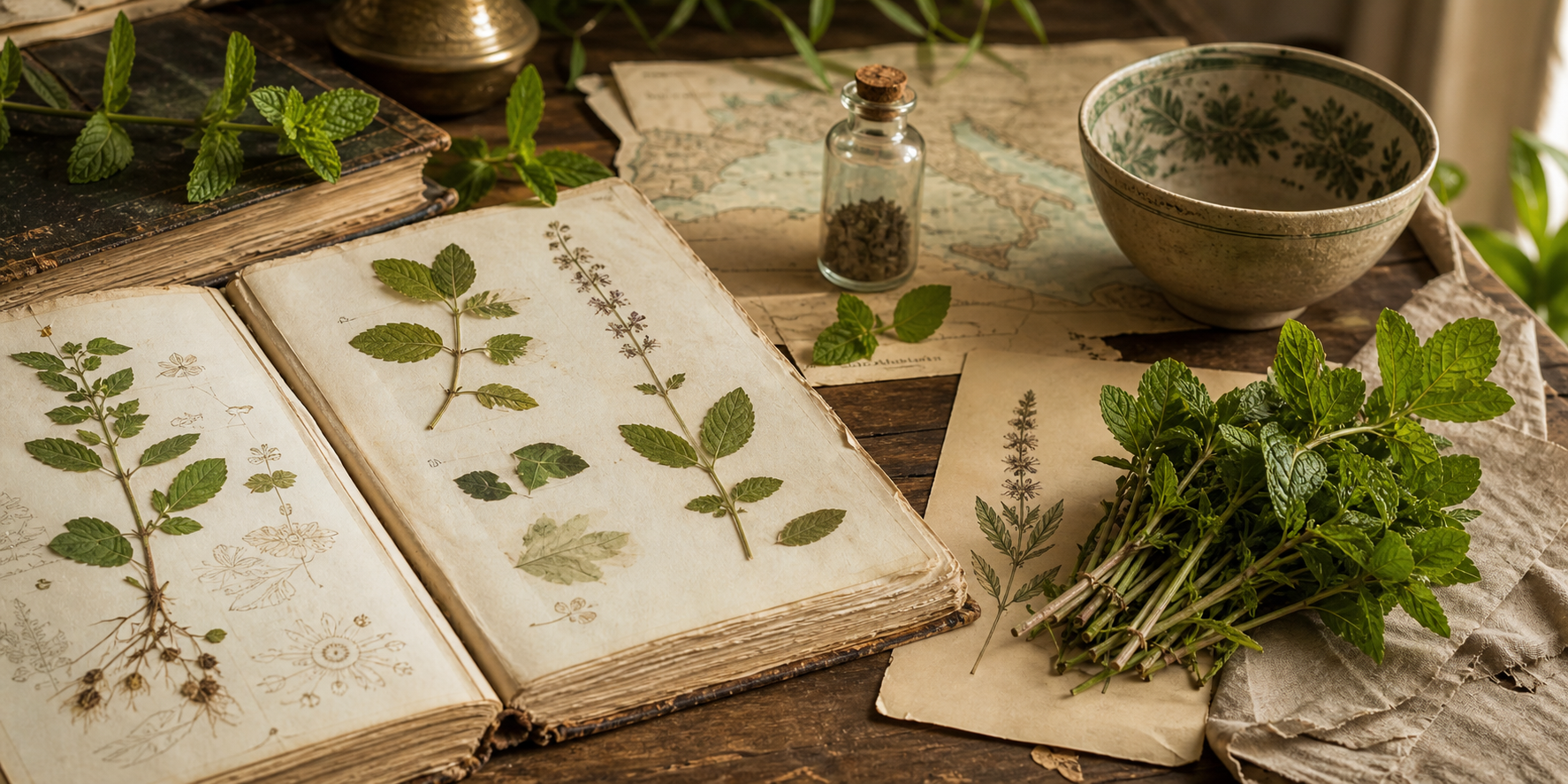
Members of the mint family have been prized for fragrance, flavor, and freshness across many cultures. Ancient writers placed mint in gardens and dining rooms, medieval herbals carried it into household practice, and modern cooks still reach for it when a dish needs a clean, green finish.
Mint appears in early Mediterranean foodways, where aromatic herbs brightened sauces, wines, and hospitality rituals.
Herbal traditions used mint for its cooling aroma and its place in teas, baths, and simple household preparations.
As dried herbs moved through markets, mint became a familiar flavor in infusions, confections, and preserved pantry blends.
Today it crosses sweet and savory cooking with ease: lamb, peas, cucumber, chocolate, citrus, berries, and bright drinks.
Flavor Notes
Lemon, lime, orange, and grapefruit make mint taste even brighter.
Cucumber, peas, carrots, potatoes, tomatoes, and leafy salads all welcome a mint finish.
Yogurt, feta, cream, ricotta, and ice cream soften mint's edge without losing freshness.
Cool mint cuts through cocoa richness, which is why the pairing keeps returning.
Recipes
Use these as starting points: taste as you go, add tender leaves at the end, and save the strongest stems for steeping syrups, teas, and sauces.
Dinner
Grilled chicken, cucumber, lemon, and fluffy couscous finished with a quick mint yogurt sauce.
Dinner
Sweet peas and fresh mint keep a creamy risotto lively instead of heavy.
Dinner
Warm spices, rice, cucumber, and tomatoes balance beautifully with a cool mint sauce.
Appetizers
Crisp cucumber rounds topped with whipped feta, lemon zest, cracked pepper, and mint.
Appetizers
Juicy watermelon, feta, lime, and mint make a cool starter for warm evenings.
Appetizers
Crushed peas, ricotta, lemon, and mint piled onto crisp toast.
Desserts
A cool mint cream layer and dark chocolate crumb make a dessert that feels both rich and fresh.
Desserts
Crackly meringue, whipped cream, berries, and finely torn mint leaves.
Desserts
Real mint leaves steeped in cream create a pale, herbal scoop without artificial color.
Drinks
A tall glass of muddled mint, lime, crushed ice, and sparkling water.
Drinks
A clean infusion of fresh leaves, hot water, honey, and lemon.
Drinks
Cucumber ribbons, mint, lime, and chilled seltzer for a garden-fresh glass.
A Leaf Worth Returning To
Mint cools, brightens, softens, sharpens, and perfumes the table. Grow a pot by the kitchen door, pinch a few leaves whenever you cook, and let one fresh handful make the whole plate taste more awake.